Where the name comes from
Why Pipeline?
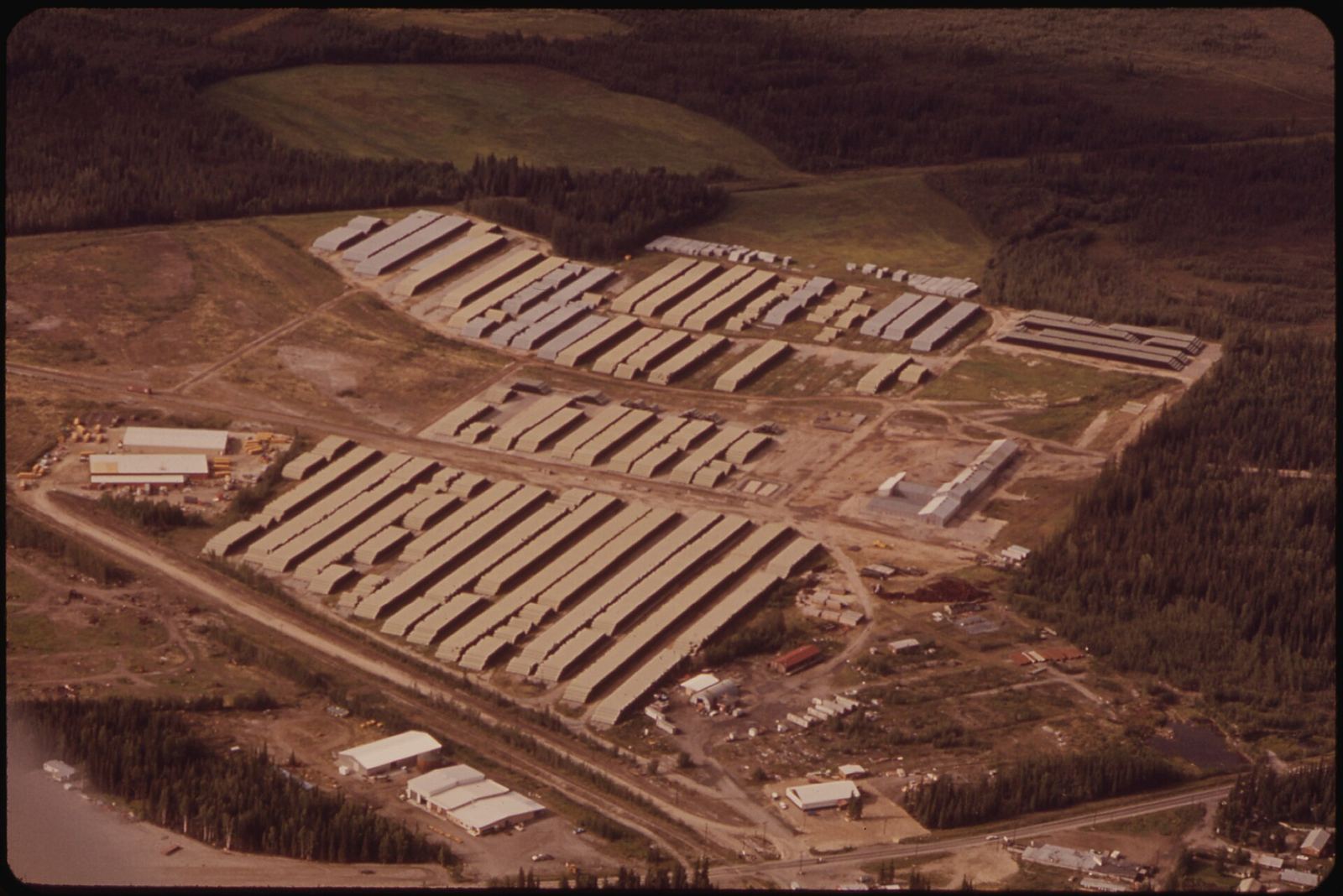
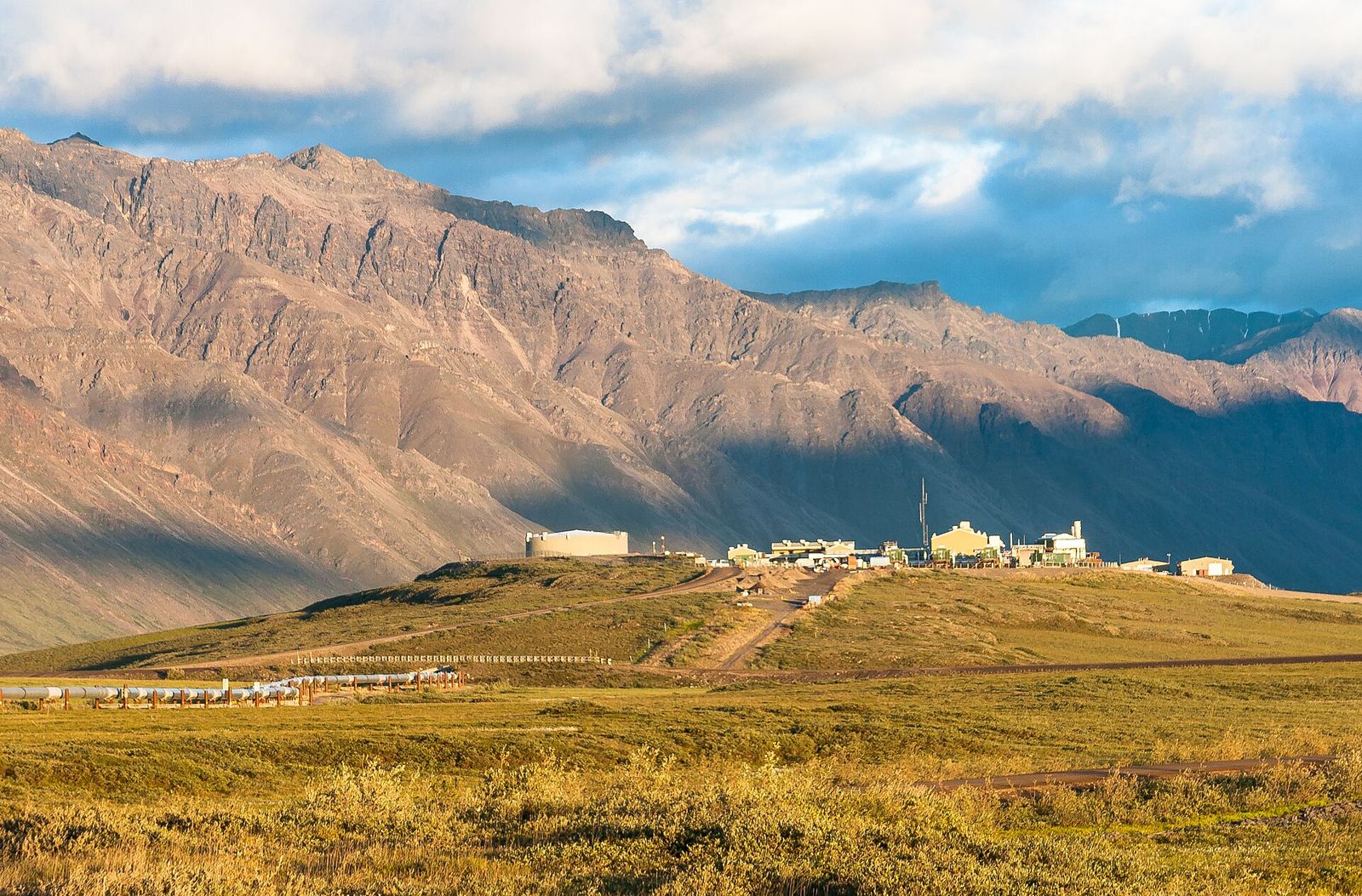
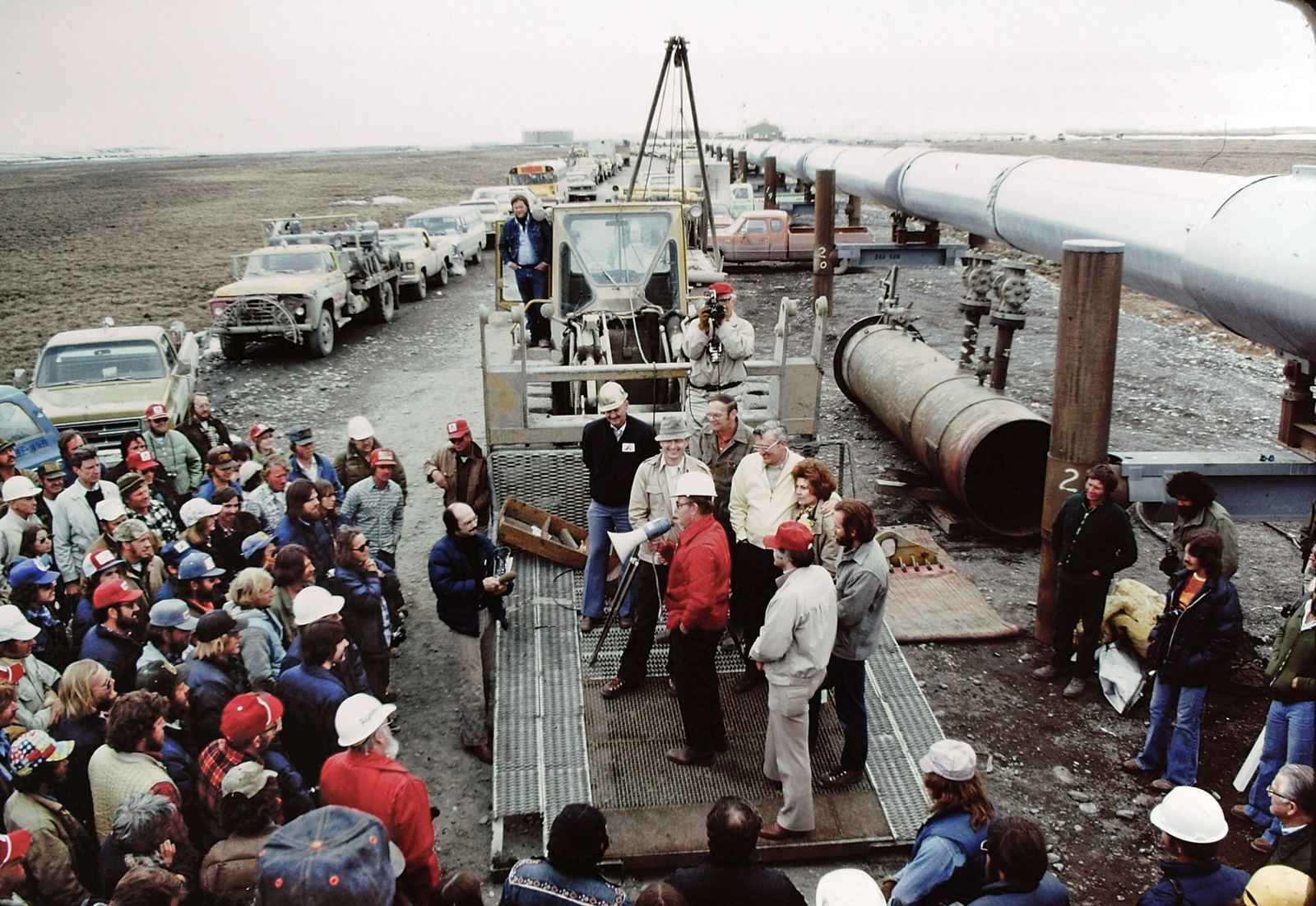
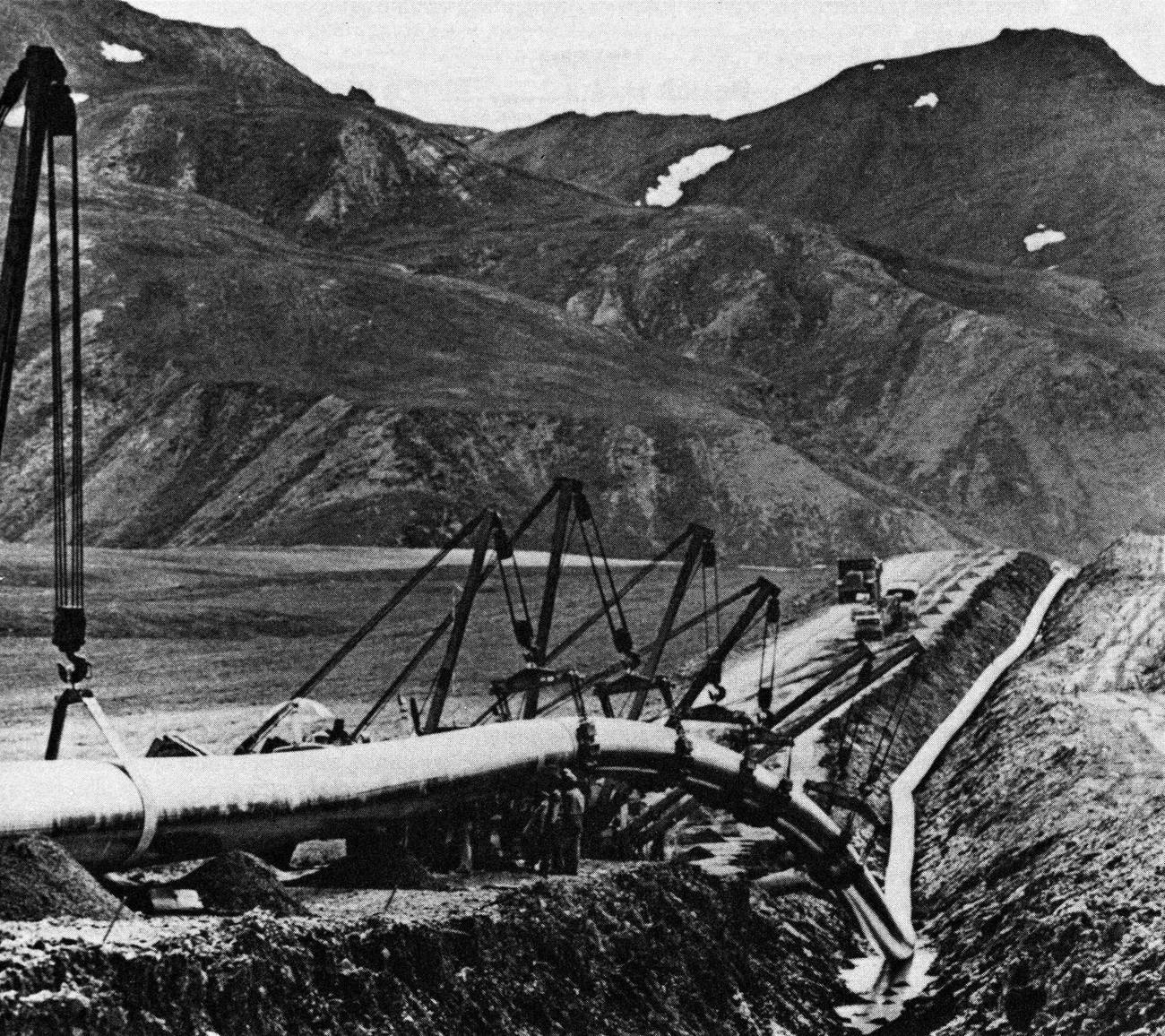
We grew up in Alaska at the start of the pipeline era. Eight hundred miles of pipe from Prudhoe Bay to Valdez, over three mountain ranges, most of it across permafrost. It was one of the great engineering feats of its time, and it ran through our backyard (literally).
It shaped how we think about building anything, and it's why we approach data and AI the way we do.
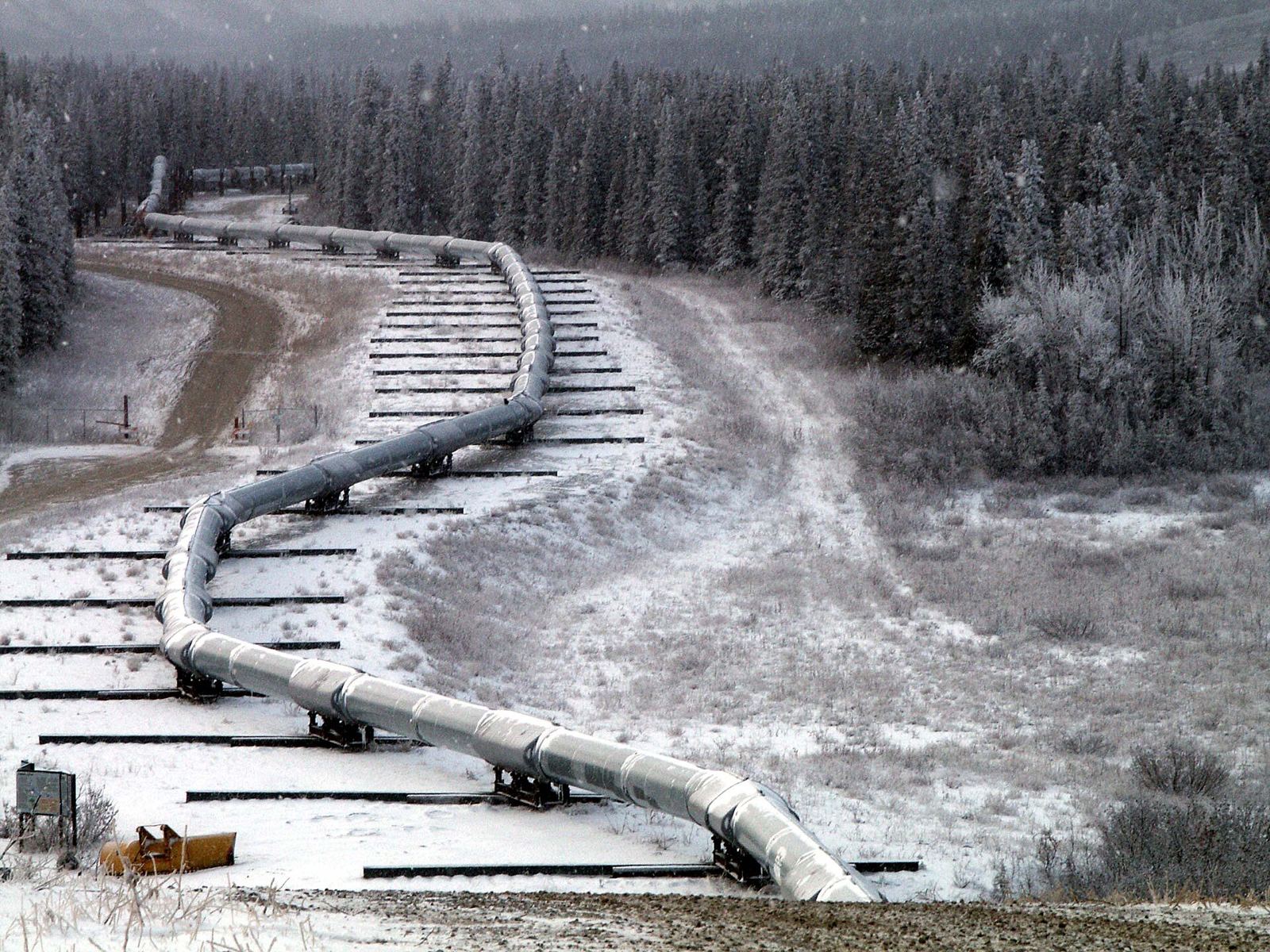
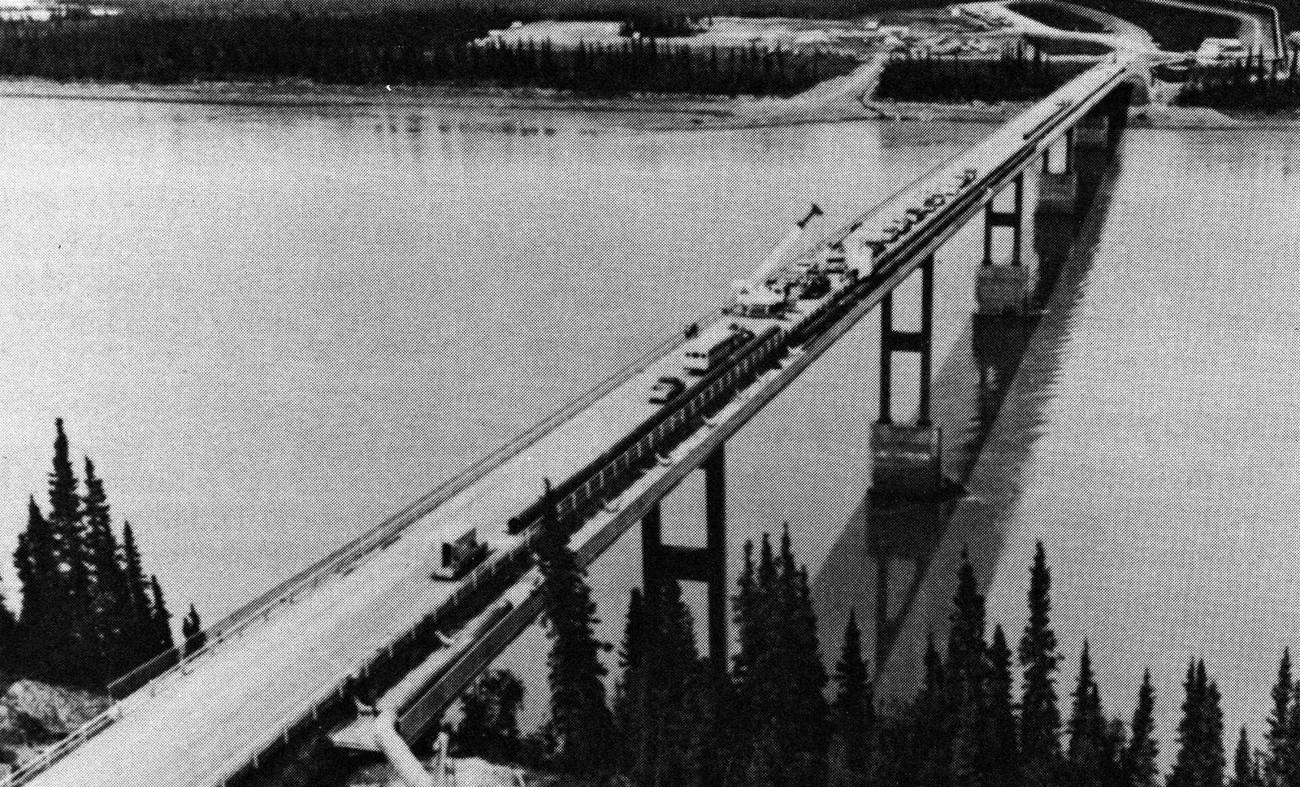
- Build for the ground you're onTundra, three mountain ranges, boreal forest, dozens of rivers, an active fault line, and a fjord at the end. The line goes up on supports where the ground is frozen, underground where the ground can take it, and over bridges where it can't go under. Nobody reshaped Alaska to fit a pipe. You don't adapt the environment to the product; you adapt the product to the environment. That's why a services engagement will always get better results than a product sale.
- Leave room to moveThe line zigzags so it can expand, contract and shift. When a magnitude 7.9 earthquake moved the ground under it in 2002, it bent and didn't break. Technology, platforms and services are always changing too: tools get replaced, vendors change their terms, and the AI gets better every few months. A system has to be designed to adapt and shift with them.
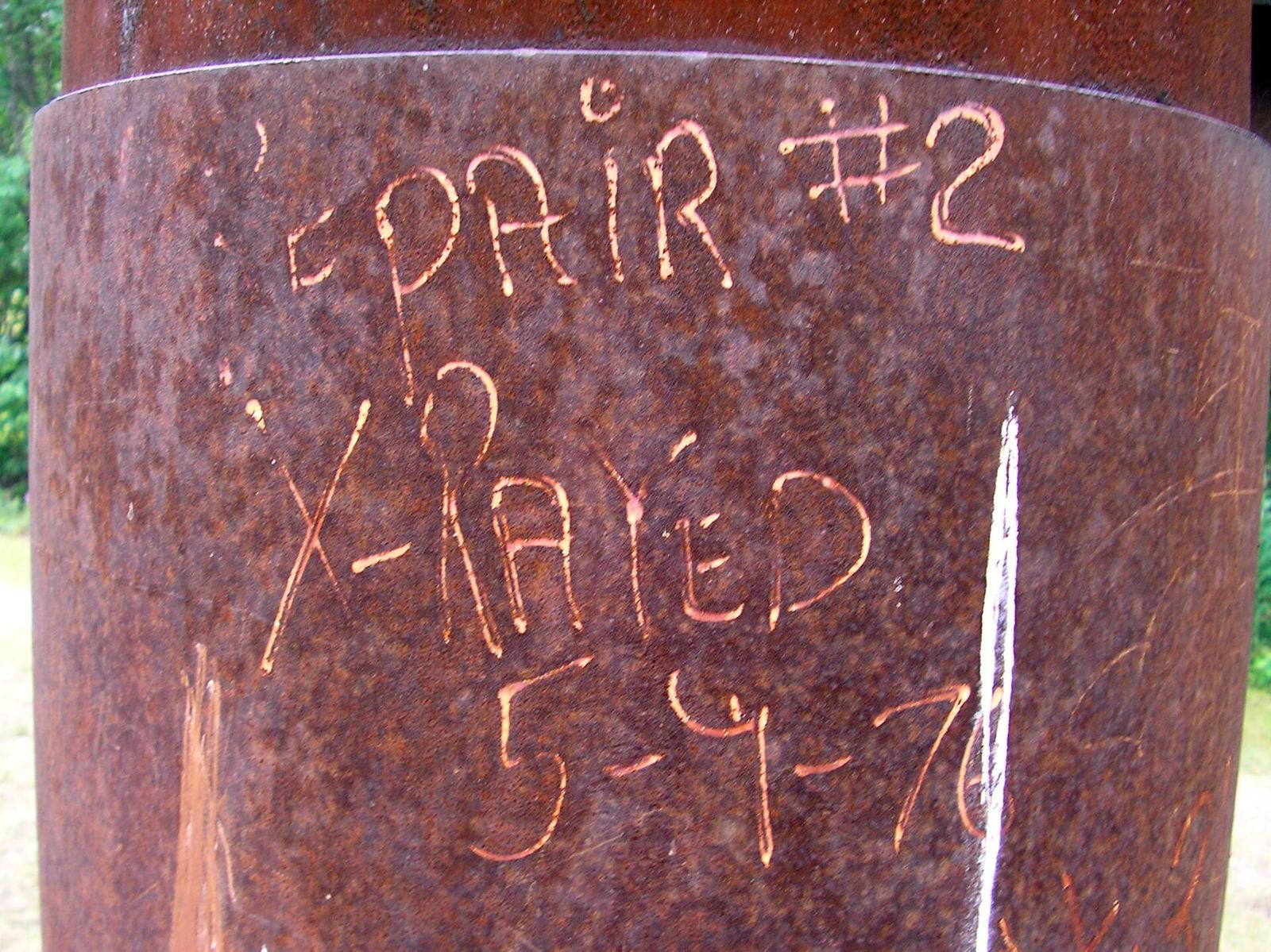
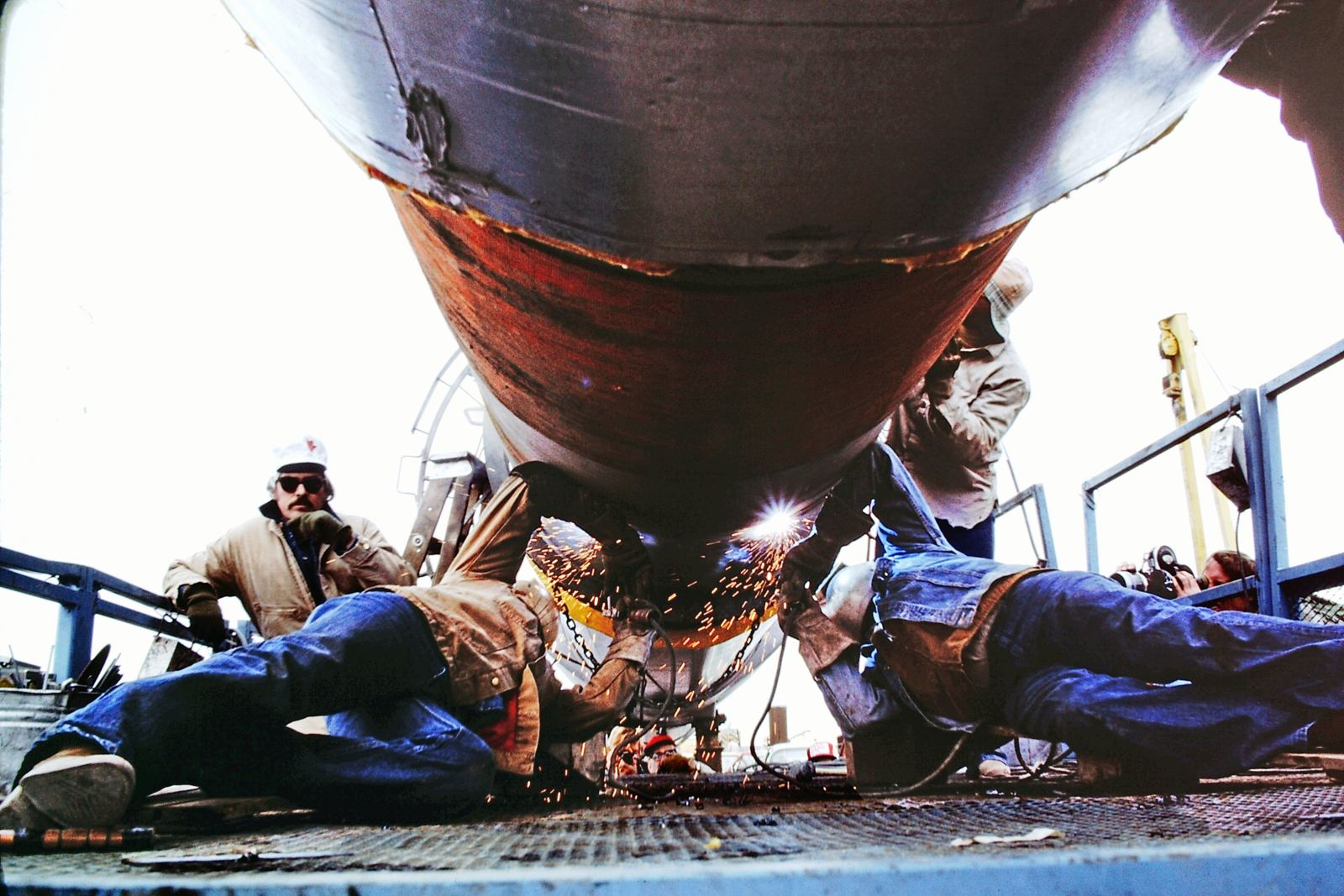
- A record has to match the weldIn 1975 a former employee of the X-ray contractor said some weld X-rays had been faked. Alyeska re-read every X-ray from that year, more than 30,000, and logged each one in a computer database to catch duplicates. There couldn't be a better lesson for working with AI.
- Check it from the insideInstrumented "smart pigs" ride the oil through the line, measuring the pipe wall as they go. Data and AI workflows are the same: build them to flag issues and keep a human in the loop.
It's been running since 1977. That's the bar.